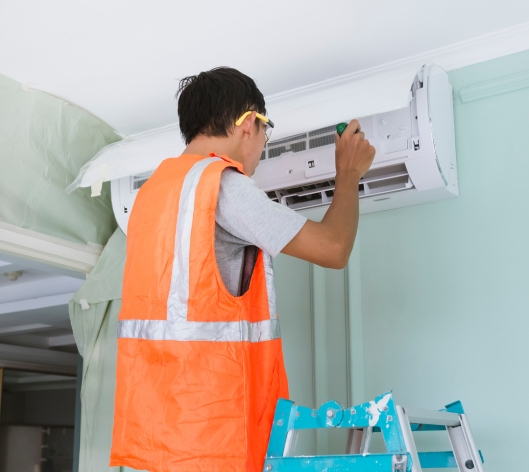
How Often Should You Service Your Air Conditioner?
Your air conditioner works hard to keep your home or office cool and comfortable, especially during the hot summer months. Like any other appliance, regular maintenance is essential to ensure it performs efficiently, lasts longer, and avoids unexpected breakdowns. But how often should you service your air conditioner? The answer depends on factors such as usage, environment, and the type of AC system you have.
Why Regular AC Servicing is Important
Regular air conditioner servicing is not just about keeping your AC running; it also provides several long-term benefits:
Improved Cooling Performance: Clean filters and components allow your AC to cool more effectively.
Lower Electricity Bills: A well-maintained AC consumes less energy, reducing your power costs.
Longer Lifespan: Regular maintenance prevents wear and tear, helping your AC last for many years.
Better Air Quality: Cleaning filters and coils removes dust, allergens, and bacteria from the air.
Fewer Breakdowns: Preventive maintenance helps identify and fix small issues before they become major problems.
Recommended AC Servicing Frequency
1. Every 3 to 4 Months for Regular Users
If you use your air conditioner daily, especially in hot climates like Pune and Pimpri-Chinchwad, it is recommended to service your AC every three to four months. Frequent use causes dust accumulation in filters, coils, and drainage systems, which can reduce efficiency.
2. Twice a Year for Moderate Users
For households that use ACs moderately, servicing twice a year is usually sufficient. Ideally, schedule one service before summer and another after the season ends.
3. Quarterly Servicing for Commercial Spaces
Offices, restaurants, hospitals, and other commercial spaces often run air conditioners for long hours. In such cases, quarterly servicing is recommended to maintain consistent performance and indoor air quality.
4. Monthly Filter Cleaning
Even between professional services, you should clean or check your AC filters once a month. Dirty filters are one of the most common causes of poor cooling and high energy consumption.
Factors That Affect Servicing Frequency
Several factors can influence how often your AC needs servicing:
Usage Hours: The more you use your AC, the more frequently it needs maintenance.
Dust and Pollution: Areas with high dust levels or pollution require more frequent cleaning.
Pet Hair and Allergens: Homes with pets may need more regular filter cleaning.
AC Type and Age: Older units and certain AC models may require more frequent attention.
Humidity Levels: High humidity can lead to faster buildup of mold and moisture-related issues.
Signs Your AC Needs Servicing
Don’t wait for your AC to stop working completely. Watch for these signs that indicate it’s time for servicing:
Warm air coming from the vents
Weak airflow
Water leakage around the unit
Unusual noises or vibrations
Bad odors from the AC
Higher electricity bills than usual
Frequent on-and-off cycling
What Happens During AC Servicing?
A professional AC service typically includes:
Cleaning or replacing air filters
Inspecting and cleaning condenser and evaporator coils
Checking refrigerant levels and gas leaks
Cleaning drainage lines and removing blockages
Inspecting electrical connections and thermostat settings
Lubricating moving parts and checking overall system performance
Benefits of Timely AC Servicing
Servicing your air conditioner at the right intervals offers multiple advantages:
Consistent cooling comfort
Reduced repair costs
Improved energy efficiency
Healthier indoor air
Extended equipment life
Peace of mind during peak summer months
Final Thoughts
As a general rule, most air conditioners should be serviced every 3 to 4 months if used regularly, while moderate users can opt for biannual servicing. Regular maintenance not only keeps your AC cooling efficiently but also saves money on energy bills and costly repairs.
If you notice any signs of poor performance or unusual behavior, don’t delay professional servicing. A little preventive care can go a long way in keeping your air conditioner running smoothly for years to come.