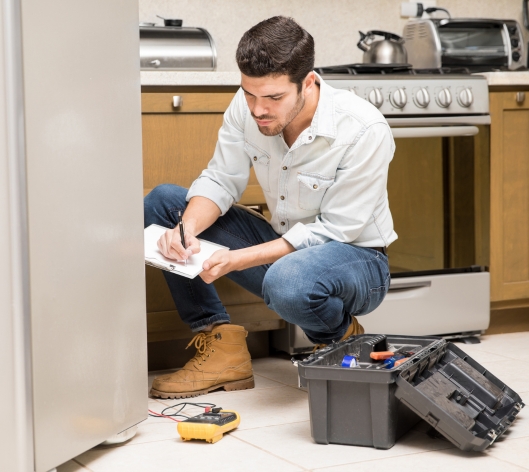
If your refrigerator has suddenly become noisier than usual, identifying the possible cause can help you decide whether a simple adjustment is enough or professional repair is necessary.
Some refrigerator sounds are completely normal, while others may indicate problems with the fan, compressor, condenser components, or ice maker. Understanding the difference can help you avoid unnecessary repairs and prevent minor issues from becoming more serious.
In this guide, we explain the common reasons refrigerators make unusual noises, practical checks you can perform safely, and when to contact a professional refrigerator repair service.
Are Refrigerator Noises Normal?
Yes. Refrigerators make different sounds during normal operation because they contain moving parts, cooling systems, fans, and refrigerant flowing through pipes.
You may occasionally hear:
A gentle humming sound while the compressor runs.
Clicking when the thermostat or control system switches components on or off.
Water dripping or trickling during the defrost cycle.
Soft gurgling or bubbling as refrigerant circulates.
Brief cracking or popping sounds as internal materials expand and contract with temperature changes.
These sounds are usually not a cause for concern if the refrigerator is cooling properly and the noises are consistent with its normal operation.
However, a sudden increase in volume, persistent grinding, repeated loud clicking, or unusual vibrations may indicate a fault that needs attention.
1. Refrigerator Making a Loud Humming Noise
A low humming sound is common in refrigerators because the compressor and other components operate to maintain the required temperature.
However, an unusually loud or continuous hum may be caused by several factors.
Possible Causes
The refrigerator is positioned too close to a wall or cabinet.
The appliance is not level and vibrates against the floor.
The compressor is working harder than usual.
A fan or another component is vibrating.
Dust or restricted airflow is affecting heat dissipation.
Repair Solutions
Start by checking whether the refrigerator is stable and has the clearance recommended by its manufacturer. Make sure it is not touching nearby cabinets or other objects that could amplify vibrations.
If the humming continues, becomes significantly louder, or occurs alongside poor cooling, a qualified technician should inspect the compressor, fans, and cooling system.
Avoid opening sealed refrigeration components or attempting electrical repairs yourself.
2. Refrigerator Making a Rattling Noise
Rattling sounds often come from loose objects, vibrating panels, or components that are not securely positioned.
The good news is that some rattling problems can be resolved with simple checks.
Possible Causes
Bottles, containers, or jars are touching each other.
Items stored on top of the refrigerator are vibrating.
The appliance is uneven on the floor.
A drain pan or external panel is vibrating.
A fan or another internal component has become loose or damaged.
Repair Solutions
Remove objects placed on top of the refrigerator and rearrange containers inside so they do not knock against one another.
Check whether the appliance rocks slightly when gently pushed. If it does, adjust its levelling feet according to the manufacturer's instructions.
If the noise continues when the refrigerator is otherwise stable, arrange a professional inspection. A technician can identify loose panels or damaged internal components and repair them appropriately.
3. Refrigerator Making a Clicking Noise
Clicking is one of the most common sounds people notice when a refrigerator starts or stops operating.
An occasional click may be part of normal thermostat operation or the compressor starting and stopping. Repeated or unusually loud clicking, however, may indicate a problem.
Possible Causes
Normal switching of electrical controls.
A compressor struggling to start.
A faulty start relay or related electrical component.
A problem with the power supply.
A control-system fault.
Repair Solutions
First, check whether the refrigerator is cooling normally. If the clicking is occasional and the appliance operates as expected, it may not require repair.
If you hear repeated clicking but the compressor does not appear to start, or the refrigerator is becoming warm inside, contact an appliance repair technician.
Repeatedly switching the appliance on and off is not a recommended troubleshooting method. Electrical components and the compressor starting system should be inspected by a qualified professional.
4. Refrigerator Making a Grinding or Scraping Noise
Grinding and scraping sounds deserve attention, particularly if they occur frequently or become louder over time.
These noises may indicate that a moving component is obstructed or wearing out.
Possible Causes
An evaporator fan blade is contacting ice or another obstruction.
A fan motor bearing is worn.
A component is rubbing against a moving part.
Ice has accumulated around the fan area.
A mechanical component has become damaged.
Repair Solutions
Listen carefully to identify whether the sound appears to come from the freezer, refrigerator compartment, or lower rear area. This information can help the technician narrow down the possible cause.
If the noise is loud, persistent, or accompanied by poor cooling, arrange a professional inspection.
Do not insert tools into fan openings or remove internal panels while the refrigerator is connected to power. Some models have components that can start automatically during operation.
5. Refrigerator Fan Making Unusual Noise
Many modern refrigerators use fans to circulate cold air and help remove heat from the cooling system.
Depending on the model, the appliance may have an evaporator fan inside the freezer area and a condenser fan near the compressor.
Possible Causes
Ice or frost interfering with fan movement.
Dust and debris around accessible ventilation areas.
A worn fan motor.
A damaged fan blade.
Loose components causing vibration.
Repair Solutions
Check whether the refrigerator is cooling evenly and whether the noise changes when the compressor or cooling cycle starts and stops.
If the noise appears to come from the freezer, an evaporator fan or ice buildup may be involved. Noise from the lower rear section may relate to the condenser fan or another component.
The exact cause depends on the refrigerator's design. A technician can inspect the fan assembly, clear appropriate obstructions, and replace damaged parts when necessary.
Do not remove protective covers or reach into fan assemblies yourself.
Simple Refrigerator Noise Troubleshooting Checklist
Before booking a service visit, you can perform a few basic checks without opening the appliance or touching internal components.
Check the refrigerator's position. Ensure the appliance is stable and has the recommended clearance around it.
Remove external objects. Bottles, containers, decorations, and items placed on top may cause rattling.
Check the contents. Rearrange containers that touch one another or vibrate against shelves.
Inspect accessible ventilation areas. Follow the manual when checking external vents, and do not remove protective panels.
Observe the cooling performance. Note whether the refrigerator and freezer maintain their normal temperatures.
Record when the noise occurs. Identify whether it happens during startup, continuously, during defrosting, or when the ice maker operates.
Contact a professional when necessary. Persistent grinding, repeated clicking, electrical smells, or noise accompanied by cooling failure should be assessed by a qualified technician.
These checks can help identify simple causes, but they cannot replace a technical inspection when a component is faulty.
When Should You Call a Professional Refrigerator Repair Service?
Some refrigerator noises are normal, while others require specialist attention. Professional repair is recommended when:
The refrigerator makes loud grinding or scraping sounds.
Repeated clicking occurs and the compressor does not appear to start.
The appliance is noisy and no longer cools properly.
Water leaks alongside unusual operating sounds.
A fan appears to be obstructed or damaged.
The refrigerator trips an electrical circuit repeatedly.
You notice a burning smell, sparks, or overheating.
The noise persists despite basic external checks.
A qualified technician can diagnose the problem, explain the available repair options, and identify whether a component needs adjustment, cleaning, or replacement.
Timely diagnosis may help prevent additional damage and restore normal operation.
Conclusion
A refrigerator making unusual noises can be frustrating, but the sound itself does not always mean the appliance has a serious fault. Gentle humming, occasional clicking, and refrigerant-flow sounds are often part of normal operation.
However, loud buzzing, persistent rattling, grinding, repeated clicking, or unusual noises combined with cooling problems may indicate a mechanical, electrical, or airflow issue.
Start with simple external checks, observe the refrigerator's cooling performance, and contact a qualified technician when the problem persists or involves a safety concern.
Professional refrigerator repair can help identify the source of the noise, restore normal operation, and keep your appliance working reliably.
Is your refrigerator making unusual noises? Arrange an inspection with a reliable refrigerator repair service to identify the cause and determine the appropriate repair solution before the problem becomes more disruptive.